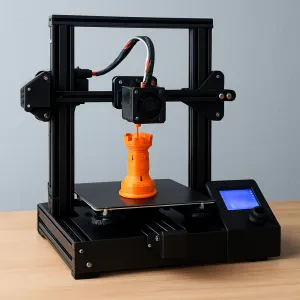
Are you ready to dive into the world of 3D printing?
Starting your journey with a 3D printer can be a game changer for your small business. Whether you’re a DIY enthusiast or someone looking to create unique products, 3D printers open up endless possibilities.
First things first, think about what you want to create. Are you looking to craft custom items like jewelry, toys, or home decor? Or maybe you're keen on prototyping for a new product line? Having a clear idea will help you choose the right printer and materials.
When picking a printer, don’t stress! Look for one that fits your budget but also meets your needs. Some things to consider include:
- Print Quality: A printer with high resolution will give you better details in your designs.
- Build Size: Make sure it can handle the size of objects you plan to create.
- Ease of Use: A user-friendly interface can save you time and headaches.
Lastly, don’t forget about the community. There are tons of online resources, forums, and groups where you can find support and inspiration. Connecting with fellow 3D printing fans can help you learn faster and share your cool creations!
Choosing the Right 3D Printer for You
Picking the right 3D printer can feel a bit overwhelming, especially with all the options out there. The good news is that it doesn’t have to be complicated. Think about what you need it for—are you making prototypes, custom items, or something else? Understanding your main purpose will guide you in the right direction.
Next, consider the type of printer you want. There are two main types: FDM (Fused Deposition Modeling) and SLA (Stereolithography). FDM printers are great for beginners and usually more affordable. They use plastic filaments to create objects layer by layer. On the other hand, SLA printers use resin and produce finer details. They’re excellent for intricate designs but tend to be pricier and more complex to operate.
Another key factor is build size. If you plan to create larger items or multiple smaller ones at once, look for a printer with a bigger build volume. However, if your projects are smaller or more detailed, a compact model could work just fine. It really depends on the kind of products you want to sell.
Also, don’t forget to check the material compatibility. Different printers can use various materials—from basic plastics to complex composites. Make sure the printer you choose can handle the materials you plan to work with. This ensures you won't hit any roadblocks later on in your creative process.
Lastly, think about user-friendliness. Some printers come with smart features and user-friendly interfaces that make setup and operation a breeze. If you're new to 3D printing, a model that's easy to use will save you a lot of time and frustration. Research reviews and maybe watch a few video demos to see what clicks best with you!
Essential Supplies for Your Printing Needs
Starting your small business with a 3D printer is an exciting adventure, but let’s not forget about the essential supplies you'll need to make it all work smoothly. While the printer itself is the star of the show, having the right accessories can make a world of difference in your printing experience and the quality of your products.
First up, you'll want to stock up on various types of filament. Filament is the material your printer uses to create objects, and there are so many choices out there! From PLA, which is super easy to work with, to ABS for those more durable prints, the right filament can really help you achieve the results you're after. Here are some options to consider:
- PLA: Great for beginners, it's biodegradable and has less warping.
- ABS: More resilient, perfect for functional parts.
- TPU: Flexible filament for rubber-like prints.
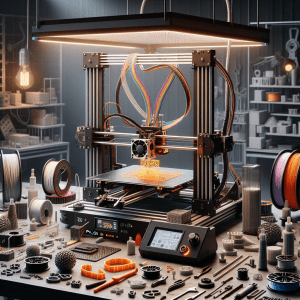
Don't forget about tools and extra supplies! A good set of tools can save you time and frustration. A spatula or scraper is fantastic for removing prints from the bed without damaging them. You might also want a pair of tweezers for handling small parts, and a nozzle cleaning kit to keep your printer in tip-top shape. These little extras can help you avoid hiccups in your printing process.
Lastly, consider getting a quality 3D printer bed or adhesive sheets. Ensuring your prints stick well to the bed is crucial for preventing failure mid-print! Adhesive sprays or glue sticks can create a strong bond while you print, so your creations come out just right every time. With these essential supplies in hand, you'll be well-equipped to launch into the world of 3D printing!
Tips for Marketing Your 3D Creations
Marketing your 3D creations can feel overwhelming, but it doesn’t have to be! Start by building a strong online presence. Create an appealing website where potential customers can see your work, learn about your business, and easily contact you. Don’t forget to showcase high-quality images of your products—this is crucial since visuals are super important in grabbing attention!
Social media is your friend! Platforms like Instagram, Pinterest, and Facebook are perfect for showing off the unique aspects of your 3D designs. Post regularly to keep your audience engaged. Share behind-the-scenes shots of your printing process, fun videos of your models in action, or even customer testimonials. Engaging with your followers builds trust and keeps them coming back for more.
Consider joining local craft fairs or trade shows. This gives you a chance to meet customers face-to-face and showcase your work in a tangible way. People love to see and touch products before they buy, and this personal connection can go a long way in making sales.
Don’t skip out on online marketplaces too! Platforms like Etsy and eBay are great for reaching customers who are already looking for unique 3D items. Make sure to optimize your listings with great descriptions and relevant keywords so shoppers can easily find your products.