When diving into the world of 3D printing, you'll quickly notice there's a whole bunch of different resins out there, each with its unique characteristics.
It can feel overwhelming, but understanding the types of 3D resin will help you make the right choice for your projects.
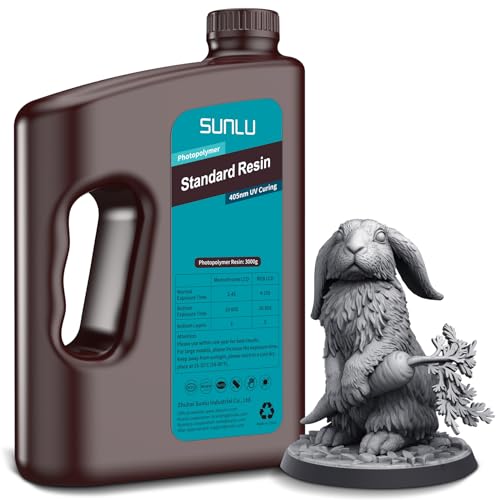
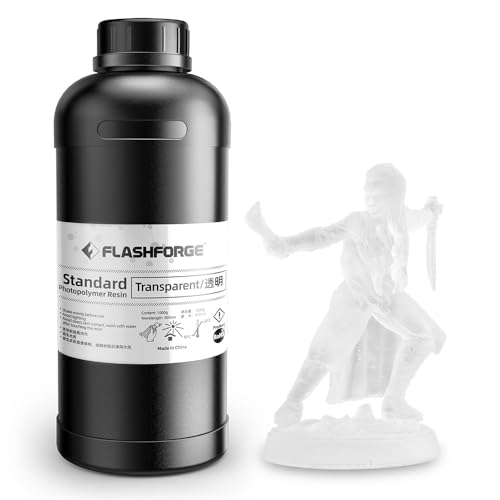
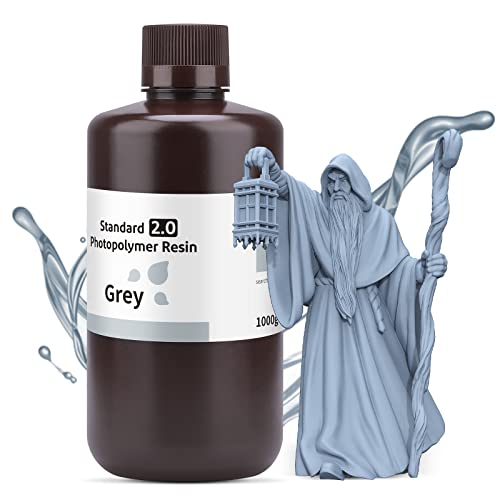
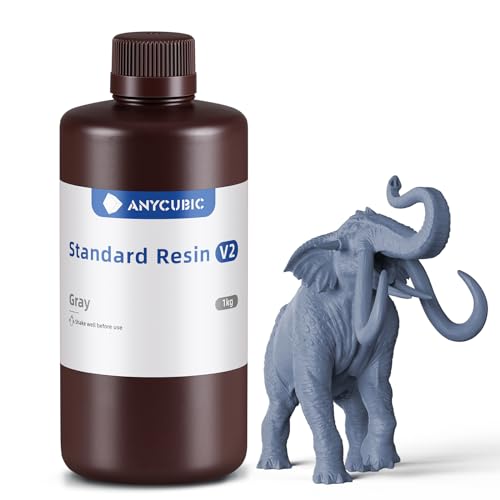
Standard Resin is typically the go-to option for most hobbyists and creators. It’s perfect for those everyday prints, providing a solid finish and decent detail. If you're just starting and want to try out your 3D printer without breaking the bank, standard resin is a great pick.
Flexible Resin is another option that offers a whole new level of creativity. As the name suggests, this type of resin is bendable, making it perfect for projects that need some flexibility—think phone cases or rubber-like components. If you want your print to feel a little more like silicone, this is the way to go.
If you're chasing strength and durability, Engineering Resin has you covered. This resin is designed to withstand more stress and strain, making it ideal for functional parts or prototypes that need to be tough. It’s often used in industries where performance matters, so you can rest easy knowing your prints will hold up under pressure.
Lastly, there’s Dental and Jewelry Resin. These specialized resins are tailored for making precise and detailed items like dental molds or intricate jewelry designs. They offer high detail and a smooth finish, ensuring that your final pieces look professional and polished. If you're in these fields, investing in these types of resin is well worth it!
Choosing the Right 3D Resin
First, consider the type of print you are working on. If you need a resin for detailed miniatures or models, look for a high-detail resin that offers fine detail and precision. These resins are designed to deliver sharp edges and intricate designs. On the other hand, if durability is key, go for a tough resin. It's perfect for functional parts or items that will undergo stress because it can withstand impacts without breaking.
Another important factor is the curing time. Some resins cure faster, while others take a bit longer. If you're in a rush, choose a fast-curing resin to speed up your workflow. But if you have the time, slower curing options often result in better detail and finish. Don't forget to check the printing temperature as well, as some resins perform better in specific temperature ranges.
Finally, pay attention to the compatibility with your printer. Not all resins work with every printer model, so it’s a good idea to check the manufacturer's recommendations. Stick with resins that are known to produce great results with your specific setup. It will save you time and likely lead to a smoother printing experience.
Tips for Using 3D Resin
When it comes to using 3D resin, a little know-how can go a long way. Here are some handy tips to help you get the most out of your resin printing experience:
- Safety First: Always work in a well-ventilated area. Wear gloves and safety goggles to protect yourself from any spills or splashes. Resin can be messy, and it's always better to be safe than sorry!
- Mix it Right: Follow the mixing instructions carefully. Measuring resin and hardener accurately is key to achieving the best results. A good mix ensures that your prints cure properly and hold up over time.
- Temperature Matters: Keep an eye on the temperature of your workspace. Most resins perform best at room temperature. If it's too cold, the resin might not cure correctly.
- Layer by Layer: If you're printing something intricate, consider using smaller layer heights. This can improve detail and smoothness in your final product. It's a bit more time-consuming, but it's worth it for those fine details!
- Post-Processing: After printing, wash your pieces with isopropyl alcohol to remove any uncured resin. Don’t forget to cure your prints under UV light for that perfect finish. This step helps harden the resin further so that your project lasts.
Keep these tips in mind, and you’ll have a smoother, more successful 3D resin printing adventure!
Benefits of Different 3D Resins
When diving into the world of 3D printing, one of the first things you'll notice is the variety of resins available. Each type of resin brings its own set of benefits, making it essential to choose the right one for your project. Here’s a quick rundown of some common types and what they can offer.
Standard Resin: Perfect for beginners and everyday printing, standard resin is easy to use and produces high-quality, detailed prints. It’s great for prototyping or creating parts that don’t need special properties. Just remember, it can be a bit brittle, so handle your prints with care.
Flexible Resin: If you need something that can bend without breaking, flexible resin is the way to go. This material is ideal for items like phone cases or rubber-like components. Plus, it opens up creative avenues for functional prints that require some give.
Durable Resin: For those tough jobs, durable resin stands out. It’s sturdy and impact-resistant, making it perfect for functional parts that undergo wear and tear. If your prints are going to be used often, this is a smart choice.
Castable Resin: If you’re into jewelry making or want to create detailed models for casting, look for castable resin. It burns away cleanly, leaving intricate designs behind. This resin is excellent for artists looking to turn their 3D prints into polished, finished products.